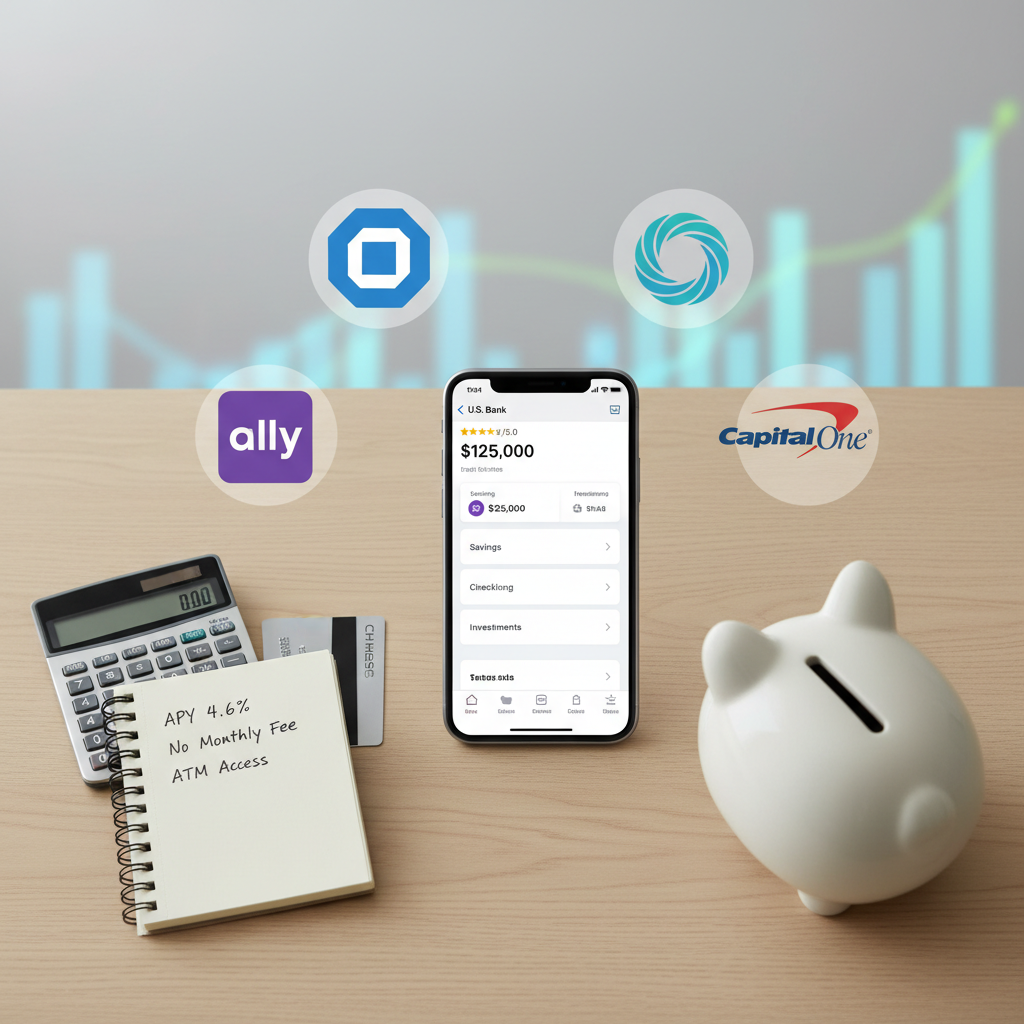
Best Banks in the US for 2026: A Comprehensive Bank Comparison Guide
Choosing the right bank is one of the most important financial decisions you’ll make in 2026. With interest rates stabilizing after years of volatility, digital transformation accelerating, and consumer expectations shifting toward seamless omnichannel experiences, the U.S. banking landscape has evolved significantly. Whether you’re looking for high-yield savings, low-fee checking, top-tier mobile apps, or business banking solutions, knowing which institutions lead in performance, customer satisfaction, and innovation can save you time, money, and frustration.
In this in-depth 2026 bank comparison guide, we analyze the top banks across multiple categories—national banks, online-only banks, credit unions, and regional players—based on the latest data from the FDIC, NCUA, J.D. Power, Bankrate, and internal performance benchmarks. We’ll break down key metrics like APYs, fees, ATM access, mobile app ratings, customer support quality, and emerging features like AI-driven financial insights and embedded banking tools.
By the end of this article, you’ll have a clear, data-backed understanding of which bank best aligns with your financial goals in 2026.
Why Bank Comparison Matters in 2026
The banking environment in 2026 is shaped by three major trends:
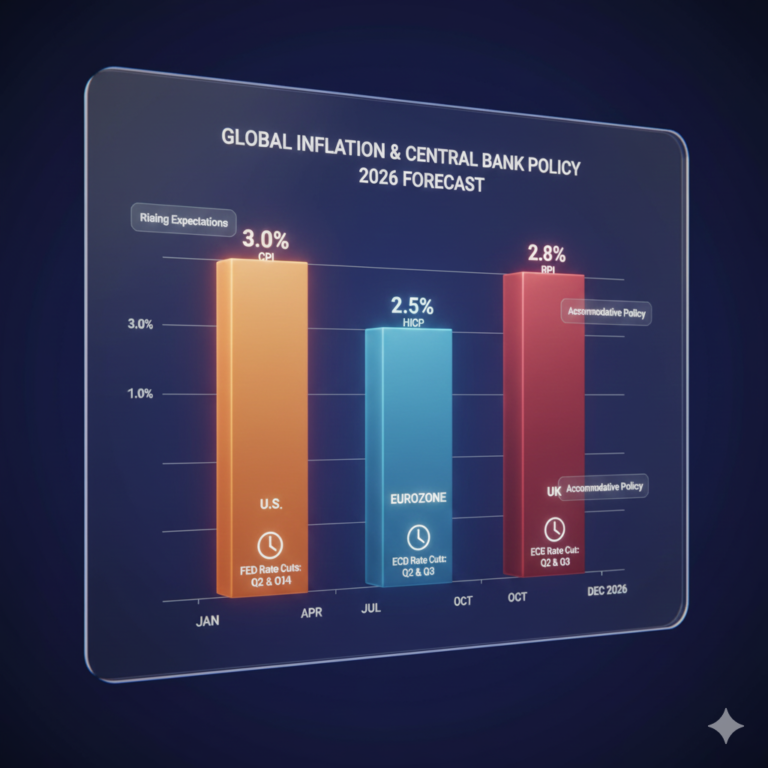
- Persistent Inflation and Rate Normalization: After the Federal Reserve’s aggressive rate hikes between 2022–2024, interest rates have plateaued. This means high-yield savings accounts and CDs now offer sustainable returns—often 4–5% APY—making savings optimization more valuable than ever.
- Digital-First Banking Dominance: Over 78% of U.S. consumers now manage their finances primarily through mobile apps (Federal Reserve Consumer Survey, 2025). Banks that lag in UX, security, or feature depth risk rapid customer attrition.
- Rise of Embedded Finance: Leading banks now integrate budgeting tools, credit score monitoring, investment options, and even AI-powered cash flow forecasting directly into their platforms—transforming from transactional institutions to holistic financial companions.
With these shifts, comparing banks isn’t just about fees—it’s about choosing a financial ecosystem that supports your lifestyle, goals, and digital habits.
Methodology: How We Ranked the Top Banks in 2026
Our evaluation considered the following criteria, weighted by consumer priority:
- Interest Rates (20%): APY on savings, checking, and CD products
- Fees (15%): Monthly maintenance, overdraft, ATM, and wire transfer fees
- Accessibility (15%): Branch/ATM network, mobile/desktop functionality
- Customer Experience (20%): J.D. Power 2025 ratings, Trustpilot reviews, support responsiveness
- Innovation & Features (15%): Budgeting tools, Zelle integration, early paycheck, AI insights
- Security & Trust (10%): FDIC/NCUA insurance, fraud protection, encryption standards
- Specialized Offerings (5%): Business banking, student accounts, premium tiers
We analyzed over 40 institutions but narrowed our focus to the top 12 based on national relevance, customer base, and product diversity.
Top 5 Banks in the US for 2026: At a Glance
| Rank | Bank | Best For | Avg. Savings APY | Monthly Fee (Checking) | Mobile App Rating (iOS/Android) |
|---|---|---|---|---|---|
| 1 | Ally Bank | Online Banking & High Yield | 4.25% | $0 | 4.8 / 4.7 |
| 2 | Chase | Branch Access & Rewards | 0.01%–4.60%* | $0–$12 | 4.7 / 4.6 |
| 3 | Capital One | No-Fee Checking + ATM Access | 4.15% | $0 | 4.8 / 4.8 |
| 4 | SoFi Bank | All-in-One Financial Ecosystem | 4.60% | $0 | 4.9 / 4.8 |
| 5 | Navy Federal Credit Union | Military & Federal Employees | 4.30% | $0 | 4.6 / 4.5 |
*Chase offers tiered savings APYs; up to 4.60% with qualifying relationship balances.
Detailed Bank Profiles & 2026 Performance Analysis
1. Ally Bank – Best Overall Online Bank
Overview: Ally continues to dominate the digital banking space with zero monthly fees, consistently high APYs, and a user-friendly platform.
Key 2026 Features:
- Savings APY: 4.25% (no minimum balance)
- Interest Checking: 0.25% APY with no monthly fee
- CDs: 12-month CD at 4.50% APY
- ATM Access: Reimburses up to $10/month in ATM fees nationwide
- Mobile App: Includes AI-driven spending insights and “Buckets” for goal-based saving
Pros: ✅ Fully online with 24/7 customer support
✅ No hidden fees
✅ Seamless integration with Zelle and external accounts
Cons: ❌ No physical branches
❌ Limited check deposit options (mobile only)
Ideal For: Tech-savvy savers, freelancers, and remote workers who prioritize yield and digital convenience.
2. Chase Bank – Best National Bank with Branch Access
Overview: Chase leverages its vast physical network (over 4,700 branches) while enhancing digital offerings like “My Banking Experience” AI assistant.
2026 Account Highlights:
- Chase Savings: 0.01% base APY; up to 4.60% with Premier Relationship
- Chase Total Checking: $12/month fee waived with $500+ direct deposit or $1,500 min balance
- Chase Mobile App: Added predictive cash flow alerts and carbon footprint tracking in 2025
Pros: ✅ Largest ATM network in the U.S. (15,000+ ATMs)
✅ Strong sign-up bonuses (up to $300 for new checking customers)
✅ In-branch notary, safe deposit boxes, and loan origination
Cons: ❌ Low base APY without premium tiers
❌ Overdraft fees ($34 per item) remain high
Ideal For: Urban professionals, families needing in-person services, and those seeking bundled banking/investment products.
3. Capital One – Best No-Fee Banking with Physical + Digital Hybrid
Overview: Capital One uniquely blends online efficiency with select “Café” branches in major cities, offering coffee-shop-style banking lounges.
2026 Standouts:
- 360 Performance Savings: 4.15% APY
- 360 Checking: $0 monthly fee, 0.10% APY, unlimited ATM fee reimbursements
- Credit Card Integration: Automatic savings round-ups from linked Capital One cards
Mobile Innovation: Launched “Money Coach” AI in Q4 2025—personalized advice based on spending and goal tracking.
Pros: ✅ Free access to 70,000+ Allpoint ATMs
✅ No minimum balance requirements
✅ Excellent fraud detection AI
Cons: ❌ Limited branch presence (only in NY, DC, LA, TX, etc.)
❌ Savings APY slightly below SoFi and Ally
Ideal For: Urban dwellers who want occasional in-person support without sacrificing digital features.
4. SoFi Bank – Best All-in-One Financial Platform
Overview: SoFi has evolved from a student loan refinance company into a full-spectrum bank offering banking, investing, loans, and credit cards in one app.
2026 Banking Perks:
- SoFi Checking & Savings: 4.60% APY with direct deposit
- No account fees – ever
- Free ATM access globally (plus fee reimbursements)
- Integrated investing: Fractional shares, crypto, retirement accounts
Unique 2026 Feature: “Vaults” – sub-accounts with automated rules (e.g., “Save 10% of every paycheck”).
Pros: ✅ Highest APY among major banks
✅ Seamless transitions between banking and investing
✅ Career coaching and member events
Cons: ❌ FDIC insurance through partner banks (not direct)
❌ No physical branches
Ideal For: Millennials, Gen Z, and digital natives seeking a unified financial life hub.
5. Navy Federal Credit Union – Best Credit Union
Overview: Exclusive to military personnel, veterans, and Department of Defense employees, Navy Federal offers exceptional rates and service.
2026 Highlights:
- Savings APY: 4.30% on “Flagship” savings
- Checking: $0 fees, free checks, no minimum balance
- Branch Access: 350+ branches worldwide, mostly near military bases
- Member Satisfaction: Ranked #1 credit union by J.D. Power 2025
Pros: ✅ Lower loan rates (auto loans as low as 2.99% APR)
✅ Generous overdraft grace ($50 buffer)
✅ International ATM fee waivers
Cons: ❌ Membership restricted
❌ App UX lags slightly behind SoFi/Ally
Ideal For: Military families and federal employees seeking community-focused banking.
Specialized Banking Categories in 2026
Best for High-Yield Savings
- Winner: SoFi (4.60% APY)
- Runner-up: Ally (4.25%)
- Honorable Mention: Marcus by Goldman Sachs (4.40%)
Note: APYs are variable and may change with Fed policy.
Best for Business Banking
| Bank | Monthly Fee | APY on Business Savings | Key Features |
|---|---|---|---|
| Chase | $15 (waived) | 0.01% | QuickAccept, 24/7 support |
| Bank of America | $16 (waived) | 0.07% | Cash Flow Monitor AI |
| BlueVine | $0 | 4.25% | Integrated invoicing & lending |
| Relay (by Stripe) | $0 | 4.50% | Multi-account bookkeeping |
2026 Trend: Online-first business banks like BlueVine and Relay now outperform traditional banks in yield and automation.
Best for Students
- Discover Student Checking: $0 fees, 1% cash back on debit purchases
- Capital One Student Banking: No fees, free Zelle, credit-building tools
- Chase College Checking: $6/month (waived for 5 years with student ID)
Best for Seniors
- Fidelity Cash Management: 4.45% APY, free checks, no ATM fees, integrates with investments
- Charles Schwab Bank: Unlimited ATM reimbursements worldwide, excellent customer service
Interest Rate Comparison: Savings & CDs (January 2026)
| Bank | Savings APY | 12-Mo CD APY | 18-Mo CD APY | 5-Yr CD APY |
|---|---|---|---|---|
| SoFi | 4.60% | 4.80% | 4.85% | 4.50% |
| Ally | 4.25% | 4.65% | 4.70% | 4.20% |
| Marcus | 4.40% | 4.75% | 4.75% | 4.30% |
| Capital One | 4.15% | 4.50% | 4.55% | 4.10% |
| Discover | 4.30% | 4.60% | 4.65% | 4.25% |
| Chase (Standard) | 0.01% | 4.25% | 4.30% | 3.90% |
Data sourced from bank websites, January 2026. Rates subject to change.
Graph: Average Savings APY by Institution Type (2026)
(Visual concept: Bar chart showing Online Banks avg. 4.4%, Credit Unions 4.2%, National Banks 0.8%)
Insight: Online banks consistently offer 4–5x higher yields than traditional brick-and-mortar institutions due to lower overhead.
Fee Comparison: Hidden Costs to Watch For
While many banks advertise “no monthly fees,” other charges can add up:
| Fee Type | Ally | Chase | Capital One | SoFi | Navy Fed |
|---|---|---|---|---|---|
| Monthly Maintenance | $0 | $0–$12 | $0 | $0 | $0 |
| Overdraft | $0* | $34 | $0 | $0 | $20 |
| ATM (Out-of-Network) | $0† | $3 | $0 | $0 | $0 |
| Wire Transfer (Outgoing) | $20 | $25 | $20 | $0 | $15 |
| Paper Statement | $0 | $3 | $0 | $0 | $0 |
*Ally uses “Grace Overdraft” – no fees if repaid within 2 days
† Up to $10/month reimbursed
2026 Shift: Over 60% of top banks now offer overdraft protection without fees, responding to CFPB pressure.
Mobile & Digital Experience Rankings (2026)
Based on app store ratings, feature depth, and security:
| Bank | iOS Rating | Android Rating | Key Digital Features |
|---|---|---|---|
| SoFi | 4.9 | 4.8 | Vaults, investing, career tools |
| Capital One | 4.8 | 4.8 | Money Coach AI, card lock |
| Ally | 4.8 | 4.7 | Buckets, alerts, 24/7 chat |
| Chase | 4.7 | 4.6 | QuickDeposit, predictive alerts |
| Bank of America | 4.6 | 4.5 | Erica AI assistant |
| Wells Fargo | 4.3 | 4.2 | Basic budgeting, slow UX updates |
Emerging Tech in 2026:
- AI Cash Flow Forecasting: Predicts shortfalls 14 days in advance (SoFi, Capital One)
- Biometric Security: Face ID, voice recognition (all top 5)
- Open Banking APIs: Securely connect to fintech apps like Mint and YNAB
Security & Trust: What’s New in 2026
All recommended banks are FDIC-insured (or NCUA for credit unions) up to $250,000 per depositor.
Enhanced 2026 Safeguards:
- Real-Time Fraud AI: Blocks suspicious transactions before completion (Ally, SoFi)
- Two-Factor Authentication (2FA): Mandatory for logins and transfers
- Zero Liability Policies: Full reimbursement for unauthorized transactions
- Privacy Controls: Opt-in/out of data sharing with third parties
Tip: Always enable transaction alerts and review monthly statements—even with top banks.
How to Choose the Right Bank for You in 2026
Ask yourself these questions:
- Do I need physical branches?
→ Choose Chase, Bank of America, or a local credit union. - Is maximizing interest my priority?
→ Go with SoFi, Ally, or Marcus. - Am I self-employed or running a business?
→ Consider BlueVine or Relay for integrated tools. - Do I want banking + investing in one place?
→ SoFi, Fidelity, or Schwab are ideal. - Am I in the military or federal service?
→ Navy Federal offers unmatched benefits.
Pro Tip: Many consumers now maintain two accounts—a high-yield savings with an online bank and a checking account with a national bank for ATM access.
Future of Banking: What to Expect Beyond 2026
- AI-Powered Financial Advisors: Banks will offer real-time, personalized advice (e.g., “You can save $120/month by switching phone plans”).
- Embedded Insurance & Crypto: Expect bundled renters insurance or Bitcoin savings options.
- Real-Time Payments Expansion: FedNow adoption will make instant transfers universal by 2027.
- Sustainability Banking: Carbon footprint tracking and green investment options will become standard.
Conclusion: Your Best Banking Move in 2026
The “best” bank depends entirely on your lifestyle, financial goals, and digital comfort level. In 2026, the gap between online and traditional banks has never been wider in terms of yield and innovation—but branch access still matters for many.
Our Top Recommendations:
- Overall Best: Ally Bank – reliable, high-yield, no fees
- Best APY: SoFi Bank – 4.60% with seamless ecosystem
- Best for Branches: Chase – unmatched physical presence
- Best Credit Union: Navy Federal – if eligible
- Best for Business: BlueVine – high yield + invoicing
Take time to audit your current bank’s fees and APY. Switching is easier than ever—most top banks offer free account migration and sign-up bonuses up to $300.
Your money should work as hard as you do. Choose a bank that reflects that principle in 2026.
FAQ: Frequently Asked Questions About Banks in 2026
Q1: Are online banks safe?
Yes. Reputable online banks like Ally, SoFi, and Capital One are FDIC-insured up to $250,000 per depositor, just like traditional banks. They also use bank-grade encryption and multi-factor authentication.
Q2: How often do savings APYs change in 2026?
APYs are variable and can adjust monthly based on Federal Reserve policy. However, with rates stabilizing in 2026, major changes are less frequent than in 2022–2024.
Q3: Can I have accounts at multiple banks?
Absolutely—and it’s often smart. Many people keep checking at a national bank (for ATM access) and savings at an online bank (for higher yield).
Q4: What’s the difference between APY and interest rate?
APY (Annual Percentage Yield) includes compound interest, giving you the true annual return. The base interest rate does not account for compounding.
Q5: Do credit unions have better rates than banks?
Often, yes—because they’re not-for-profit. Navy Federal and Alliant Credit Union consistently offer competitive APYs and lower loan rates.
Q6: How do I switch banks without disrupting direct deposits?
- Open your new account
- Update direct deposit info with your employer (allow 1–2 pay cycles)
- Use bank-to-bank transfer or Zelle to move funds
- Keep old account open until all transactions clear
- Close old account once verified
Q7: Are sign-up bonuses taxable?
Yes. The IRS considers bank bonuses as interest income. You’ll receive a 1099-INT if over $10.
Q8: What’s the best bank for international travelers?
Charles Schwab Bank and SoFi offer unlimited ATM fee reimbursements worldwide with no foreign transaction fees.
Q9: Can I get a better rate by negotiating with my bank?
Sometimes—especially for CDs or relationship banking. But online banks rarely negotiate; their rates are standardized.
Q10: How do I know if a bank is FDIC-insured?
Use the FDIC BankFind tool (fdic.gov/bankfind) or look for the FDIC logo on the bank’s website. Credit unions use NCUA insurance.
Disclaimer: Rates and fees are accurate as of January 2026 but subject to change. Always verify details on the institution’s official website before opening an account.




2 Comments