Iran Blocks Strait of Hormuz: Is World Energy at Risk?
The geopolitical landscape of the Middle East is often volatile, but few scenarios terrify global economists more than the possibility that Iran Blocks Strait of Hormuz. This narrow waterway is the world’s most important oil chokepoint. Any disruption here sends shockwaves through international markets, threatening energy security for nations across the globe.
Recent tensions have renewed fears regarding this potential blockade. As diplomatic relations strain, understanding the mechanics and consequences of such an event is crucial for investors, policymakers, and energy consumers. This article analyzes the risks, the economic fallout, and the strategic realities surrounding this critical maritime passage.
Why the Strait of Hormuz Matters {#why-the-strait-of-hormuz-matters}
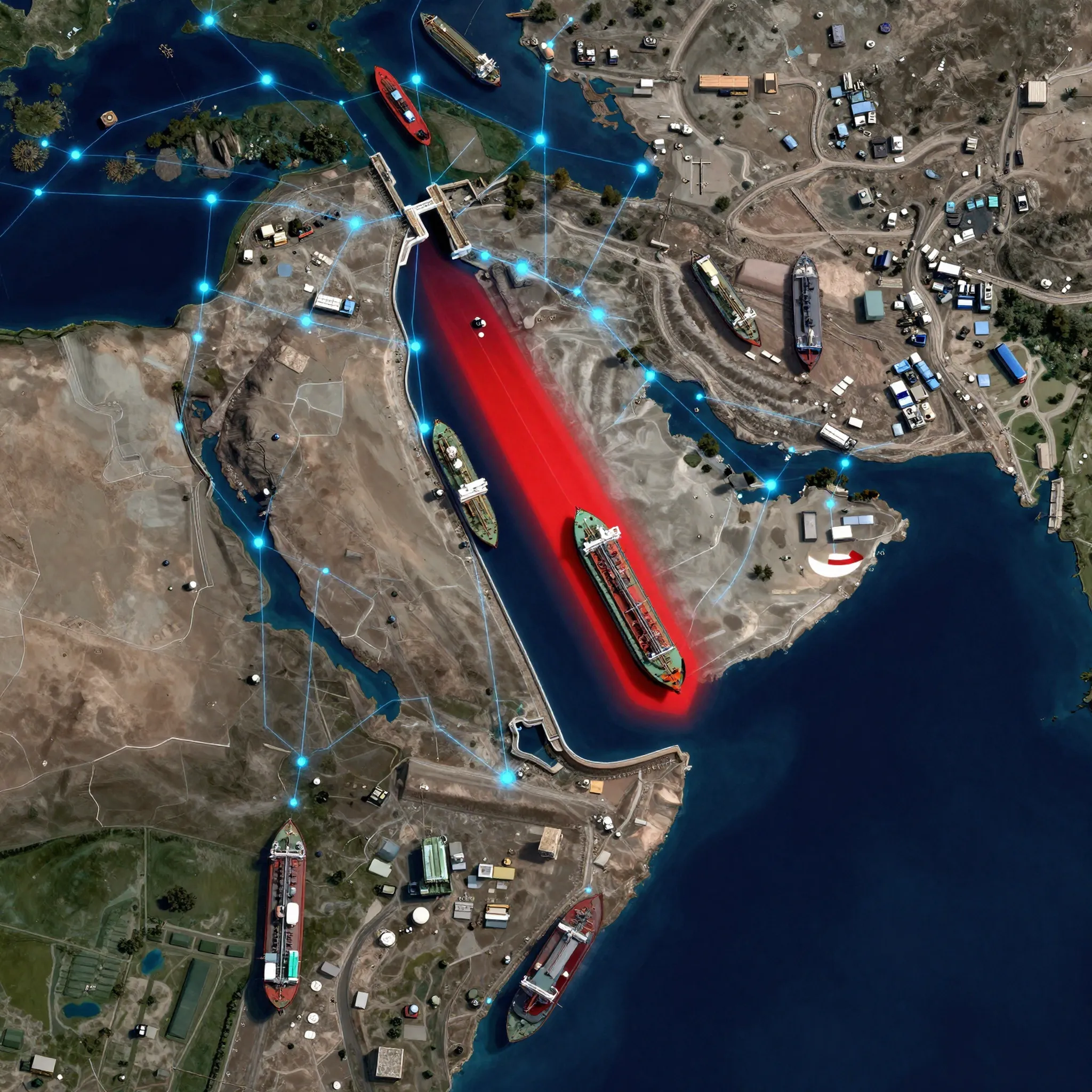
To understand the gravity of the situation, one must look at the data. The Strait of Hormuz connects the Persian Gulf with the Gulf of Oman and the Arabian Sea. It is only 21 nautical miles wide at its narrowest point.
Despite its small size, the volume of traffic is immense. According to the U.S. Energy Information Administration (EIA), roughly 21% of global petroleum liquids consumption passes through this strait daily. This includes crude oil, condensate, and refined products.
Key statistics include:
- Daily Flow: Approximately 21 million barrels per day (bpd).
- Major Exporters: Saudi Arabia, Iraq, UAE, Kuwait, and Iran.
- Major Importers: China, India, Japan, and South Korea.
If the flow stops, the supply shock is immediate. There are no viable pipeline alternatives that can handle this volume. Therefore, the hypothesis that Iran Blocks Strait of Hormuz represents a worst-case scenario for the global energy grid.
Scenarios: If Iran Blocks Strait of Hormuz {#scenarios-if-iran-blocks-strait-of-hormuz}
What would a blockade actually look like? Military analysts suggest several methods Iran could employ to disrupt traffic without necessarily declaring full-scale war.
Mining the Waters
The most likely scenario involves the deployment of naval mines. Iran possesses a significant stockpile of sea mines. Scattering these in the shipping lanes could force tankers to halt operations until minesweepers clear the path. This creates a bottleneck without requiring direct combat.
Asymmetric Warfare
Iran’s Revolutionary Guard Corps (IRGC) utilizes fast-attack craft and anti-ship missiles. They could harass commercial vessels, forcing insurance companies to revoke coverage for ships entering the zone. Without insurance, commercial oil transport becomes impossible.
Legal and Bureaucratic Blockades
A less violent but equally effective method involves closing the strait through legal declarations. Iran could claim the waters are unsafe due to military exercises or regional instability, effectively warning ships away.
In any of these scenarios, if Iran Blocks Strait of Hormuz, the physical flow of oil stops, regardless of the method used.
Impact on Global Oil Prices {#impact-on-global-oil-prices}
The immediate reaction to a blockade would be felt in futures markets. Oil prices are driven by fear and speculation as much as actual supply deficits.
Potential Economic Outcomes:
- Price Spike: Brent Crude could surge past $150 or even $200 per barrel within days.
- Inflation: Higher energy costs translate to higher transportation and manufacturing costs globally.
- Recession Risk: Sustained high oil prices have historically preceded economic recessions in oil-importing nations.
Energy analysts warn that even the threat of a closure can cause volatility. However, if Iran Blocks Strait of Hormuz for more than a few weeks, the strategic petroleum reserves (SPR) of major nations like the US and China would begin to deplete rapidly.
Geopolitical Consequences {#geopolitical-consequences}
A blockade is not just an economic event; it is an act of war. International law regards the Strait of Hormuz as an international transit passage. Closing it violates the United Nations Convention on the Law of the Sea (UNCLOS).
Military Response
The United States Fifth Fleet is stationed in Bahrain specifically to protect these waters. If Iran Blocks Strait of Hormuz, a military confrontation is highly probable. The US, alongside allies like the UK and France, would likely initiate naval operations to clear the strait.
Regional Escalation
Conflict in the strait could spill over into neighboring countries. Proxy groups in Yemen, Lebanon, or Syria might activate, widening the conflict zone. This instability further threatens energy infrastructure, such as refineries and pipelines on land.
Historical Precedents and Threats {#historical-precedents-and-threats}
This is not the first time the world has faced this threat. During the “Tanker War” in the 1980s, both Iran and Iraq attacked merchant ships. More recently, Iranian officials have frequently used the closure of the strait as leverage during nuclear negotiations.
Notable Threats:
- 2011: Iranian Vice President Mohammad Reza Rahimi warned that no oil would pass through if sanctions were imposed.
- 2018: Following US sanctions, Iran threatened to close the strait again.
- 2024: Rising regional tensions have brought the keyword Iran Blocks Strait of Hormuz back into global news cycles.
While threats are common, actual execution remains rare due to the mutual economic destruction it would cause Iran. However, in a desperate wartime scenario, the calculus changes.
[External Link Suggestion: Link to a Reuters or BBC article on recent Middle East tensions]
Mitigation Strategies for Energy Security {#mitigation-strategies-for-energy-security}
How can the world prepare if Iran Blocks Strait of Hormuz? Nations are actively working to reduce dependency on this chokepoint.
- Pipeline Diversification: Saudi Arabia and the UAE have built pipelines that bypass the strait, though their capacity is limited compared to sea transport.
- Strategic Reserves: IEA member countries hold millions of barrels in reserve to buffer short-term shocks.
- Renewable Transition: Accelerating the shift to electric vehicles and green energy reduces long-term reliance on Persian Gulf oil.
- Naval Coalitions: International maritime task forces continue to patrol the region to deter aggression.
Frequently Asked Questions {#frequently-asked-questions}
Can Iran physically close the Strait of Hormuz?
Yes, militarily Iran has the capability to mine or harass shipping lanes temporarily. However, keeping it closed long-term against a coalition naval force is difficult.
What happens to gas prices if Iran Blocks Strait of Hormuz?
Consumers would likely see an immediate increase at the pump. A sustained blockade could double fuel costs in some regions due to supply chain disruptions.
Is there a alternative route for Persian Gulf Oil?
There are pipelines through Saudi Arabia and the UAE, but they cannot handle the full 21 million barrels per day that move through the strait.
Has Iran ever closed the Strait before?
Iran has never fully closed the strait, but they have attacked tankers during the Iran-Iraq war in the 1980s, leading to international naval intervention.
Conclusion
The possibility that Iran Blocks Strait of Hormuz remains one of the single biggest risks to the global economy. While a total blockade is a high-stakes move that Iran may hesitate to make, the threat alone is enough to destabilize markets.
For the world to ensure energy security, diversification of supply and continued diplomatic engagement in the Middle East are essential. Monitoring the situation closely allows governments and businesses to prepare for potential shocks in the energy sector.
Stay tuned about economy news on YIELDOOM